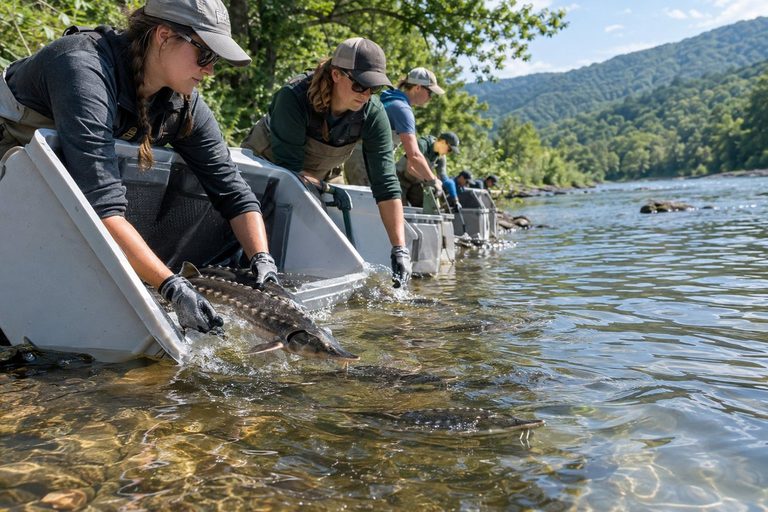
Tennessee Aquarium releases 500 lake sturgeon into the Tennessee River
About 500 juvenile lake sturgeon went into the Tennessee River at Coolidge Park. Here's how the restoration works and whether it's succeeding.
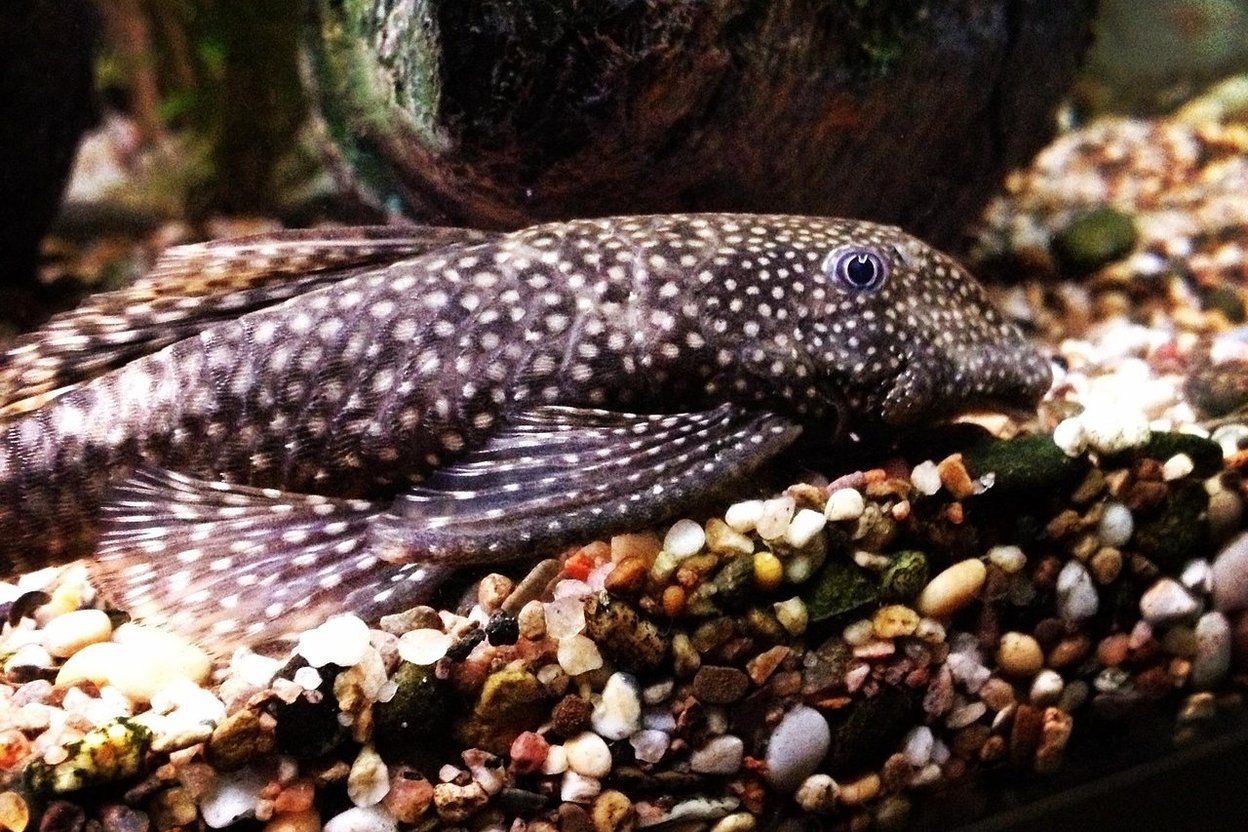
Bristlenose plecos stay around 4 to 5 inches, cling to rocks in the current, and eat algae all day. Tank size, caves and wood, food, males vs. females, and why they beat the common pleco.
Jack·3 min read·October 5, 2026
If you only add one algae eater to a river tank, make it a bristlenose pleco. It stays small, it holds onto rocks in strong current with its sucker mouth, it works on algae around the clock, and it has a face only a mother could love, which is half the fun.
The "common pleco" sold as a small fish in most stores can grow well over a foot long and produce an enormous amount of waste. It outgrows almost every home tank. The bristlenose (Ancistrus species) usually tops out around 4 to 5 inches, and rarely reaches 6.
Excellent. Bristlenose plecos come from moving streams in South America and do well with flow and lots of oxygen. Their flat bellies and suction-cup mouths let them hang onto rocks and glass in the current, where most other bottom fish would get swept away.
They pair nicely with hillstream loaches, the other great rock-clinger for flow, as long as there's enough rock surface and algae for both.
Algae is a start, but it's rarely enough in a clean tank. Feed:
If you see the pleco up at the glass all day, scraping desperately, it's probably hungry.
Adult males grow big, branching bristles on their snouts. Females have only a few small bristles around the edge of the mouth, or none. A male in a cave with a female will often spawn, and he guards the eggs and fry himself.
Peaceful and easy: most community fish, shrimp and snails. They may chase other bottom fish away from their favorite cave, but they rarely hurt anything. Keep only one male per cave-zone in smaller tanks.
For other fish that like flow, see our best fish for strong-current tanks.
FishLore: Bristlenose Pleco Care · Practical Fishkeeping: Bristlenose Catfish, the Hardworking Ancistrus
Photo by Hietaparta on Pixabay.
About 500 juvenile lake sturgeon went into the Tennessee River at Coolidge Park. Here's how the restoration works and whether it's succeeding.
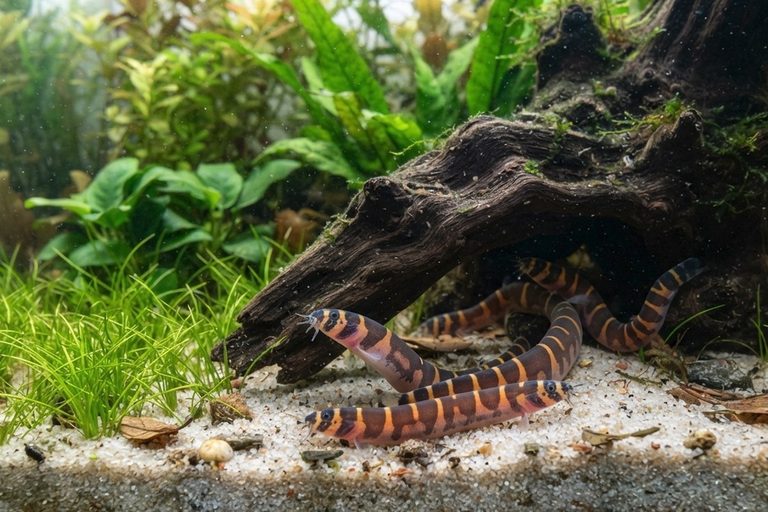
Kuhli loaches can live in a river tank if you give them a calm zone, soft sand, a group of six, 74–79°F water and plenty of places to hide.
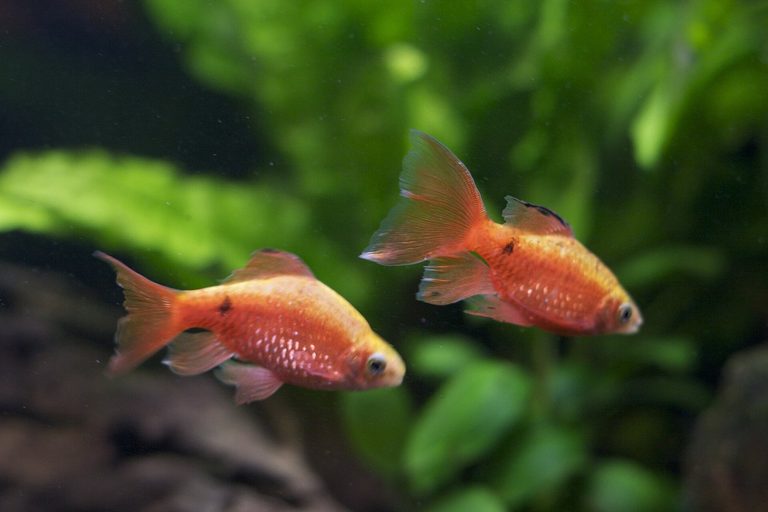
Rosy barb care for unheated river tanks: temperature range, tank size, group size, tank mates, feeding and the fin-nipping problem.