Kuhli Loach Care in a River Tank
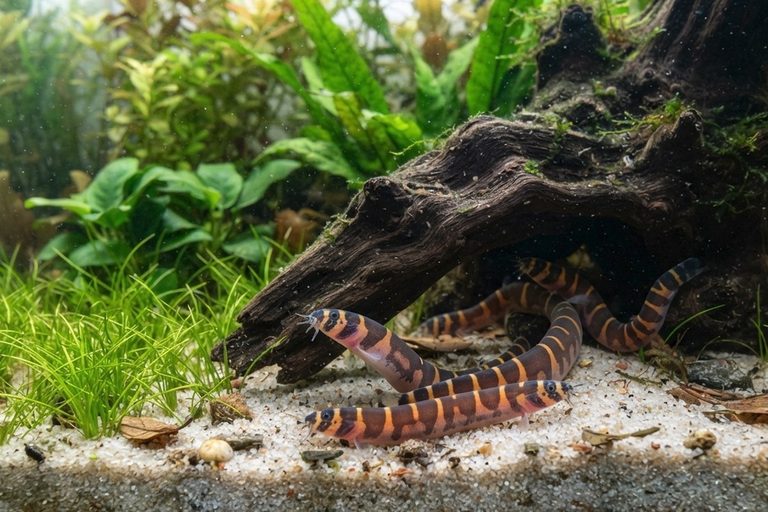
Kuhli loaches can live in a river tank if you give them a calm zone, soft sand, a group of six, 74–79°F water and plenty of places to hide.
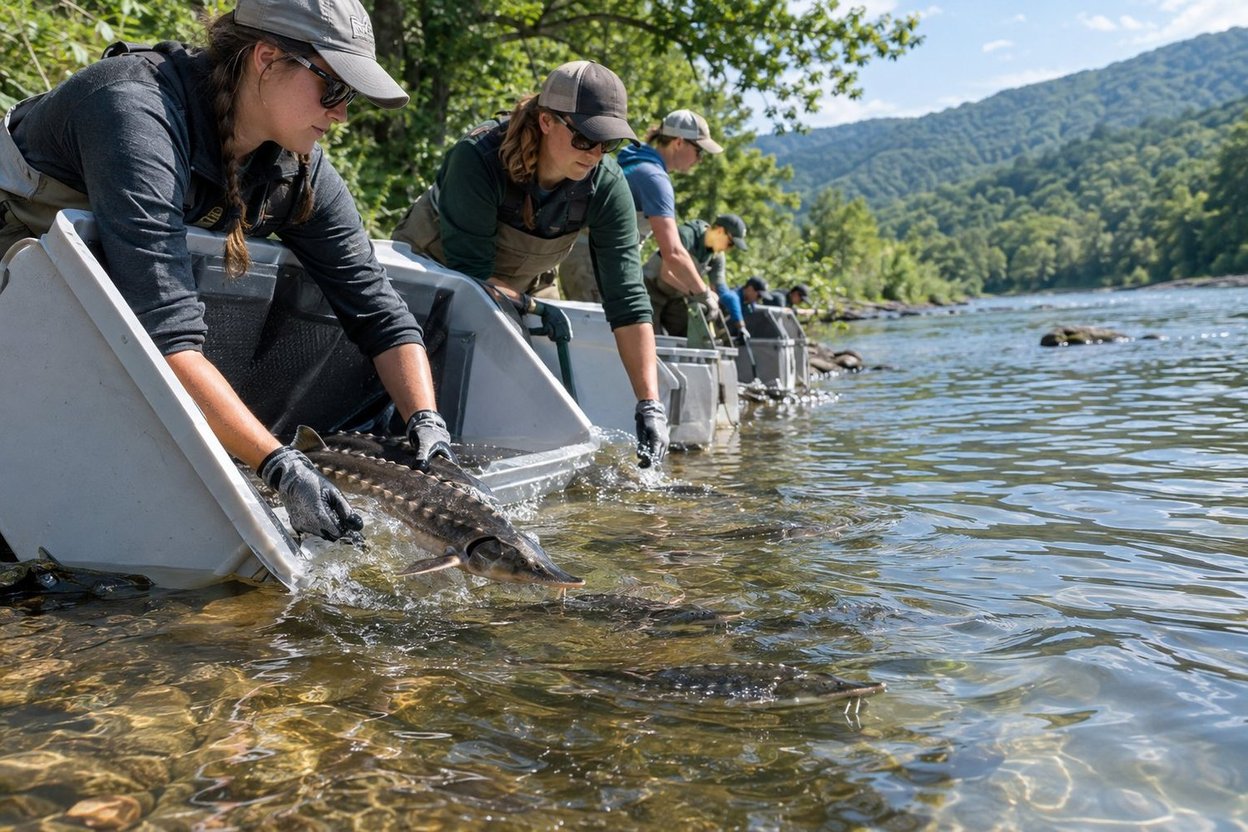
About 500 juvenile lake sturgeon went into the Tennessee River at Coolidge Park. Here's how the restoration works and whether it's succeeding.
Jack·6 min read·October 14, 2026
If you've ever floated a bag of new fish in your tank and watched them swim out into their new home, you know that small thrill. Today the Tennessee Aquarium did the same thing on a much bigger scale. On October 13, 2026, it released about 500 juvenile lake sturgeon into the Tennessee River at Coolidge Park in Chattanooga. This is the 26th year of a project to bring back a fish the river lost more than 60 years ago. Here is how they raise the fish, whether the plan is working, and why none of them belong in your living room.
The release was planned for 10:30 a.m. on Tuesday, October 13, at Coolidge Park in downtown Chattanooga. The fish were young lake sturgeon, 6 to 12 inches long. That's big enough to look like small sharks with whiskers, but still tiny next to what they'll grow into.
Aquarium staff were there, along with fall break campers, community leaders and members of the public. For a lot of those kids, letting a sturgeon go into the river is how they'll remember their week off school.
The official count is "about 500." One local TV station's photo caption gave 531, so the exact number may land a little above the round figure.
This was the 26th year of releases. Last year's happened on October 23, 2025, when 46 students from Hixson High School helped put about 500 fish into the river. Fall has become sturgeon season in Chattanooga.
The last wild-born lake sturgeon found in the Tennessee River turned up in 1963. By the 1970s the species was gone from both the Tennessee and Cumberland rivers. Three causes did it: overfishing, dams and poor water quality.
If you build river tanks, that list should sound familiar, because it's what goes wrong in an aquarium too. Fish that evolved in moving water do badly in still water. Dirty water does slow damage that you don't notice until it's too late. Ignore what a species actually needs and you lose it.
My old River Tank setup pumped water up on the left side of a 55-gallon long tank and let it cascade down through three pools. The whole point was to give the animals moving, well-oxygenated water like a real stream. On a far larger scale, a river works the same way. Dams turned long stretches of the Tennessee into a chain of slow reservoirs, and a fish built for current lost the river it needed.
Every Tennessee sturgeon starts out in Wisconsin. Each spring, eggs are collected from wild spawning fish in the Wolf River, where the lake sturgeon population is still healthy.
The Aquarium's Conservation Institute can't raise eggs on site, so the Warm Springs National Fish Hatchery handles spawning, egg rearing and early juvenile production. Other federal hatcheries and partner facilities raise young fish too. This year's group spent the summer at the Conservation Institute's freshwater field station, growing to release size before going into the river.
The effort is run by the Southeast Lake Sturgeon Working Group, which formed in 1998. Partners include:
Since 2000, more than 430,000 lake sturgeon have been released into the Tennessee and Cumberland river watersheds.
Sturgeon don't have scales like most fish. They have rows of bony plates called scutes. Each year the hatcheries remove two scutes from the left side of every fish to mark its release year. In the 2025 class, for example, scutes two and three were removed. This is the clever part: biologists can tell any fish's year class by which scutes are missing. If they ever catch a young sturgeon with all its scutes, it wasn't stocked. It was born in the river.
Partly, and the signs are getting better.
In 2025, Tennessee moved the lake sturgeon from endangered to threatened. Dr. Anna George of the Tennessee Aquarium said, "I'm positive the downgrading is a result of the Southeast Lake Sturgeon Working Group's effort."
Fish from the first releases in 2000 are now old enough to breed. TWRA's Brandon Simcox put it simply: "We're seeing sexually mature fish now." In 2025, a female caught in the Cumberland River was full of eggs.
What nobody has found yet is the fish everyone is waiting for: a young sturgeon with all its scutes. Natural spawning hasn't been confirmed.
Part of the reason is time. Lake sturgeon are among the slowest fish to mature in North America. Males mature at about 15 to 20 years and females at 20 to 33 years, so even the oldest stocked females may only be starting to breed.
The other part goes back to current. After hatching, sturgeon larvae drift about 16 km (around 10 miles) downstream while they feed. Researchers worry that dams and reservoirs may not leave enough free-flowing river for that drift. Healthy adults ready to spawn may still not be enough if the babies run out of moving water.
I'll say it plainly: a lake sturgeon is not a tank fish. Adults can reach about nine feet long and live up to 150 years. That's longer than any aquarium, any house and any keeper. A 6-inch juvenile in a bag will look tempting at some point, but it will outgrow a home setup long before it's mature. Animal welfare comes first, and this one is an easy call.
Here's what you can do instead:
The same things that will bring sturgeon back to the Tennessee River keep a home river tank healthy: current, clean water and the right animals.
Kuhli loaches can live in a river tank if you give them a calm zone, soft sand, a group of six, 74–79°F water and plenty of places to hide.
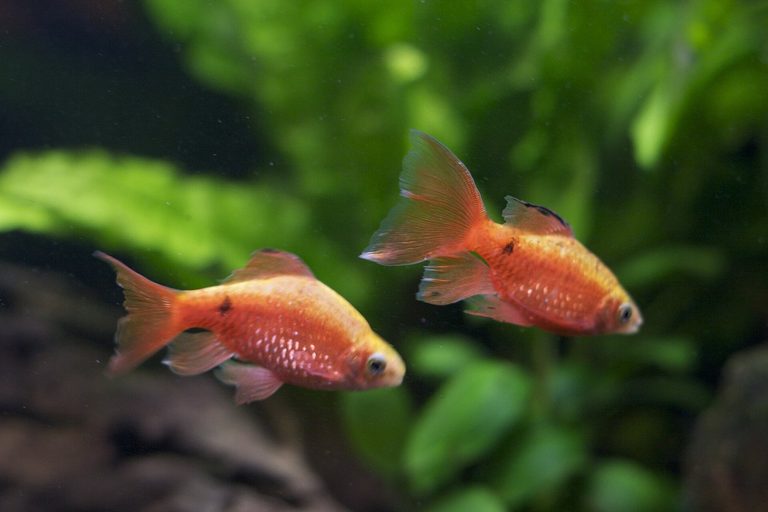
Rosy barb care for unheated river tanks: temperature range, tank size, group size, tank mates, feeding and the fin-nipping problem.
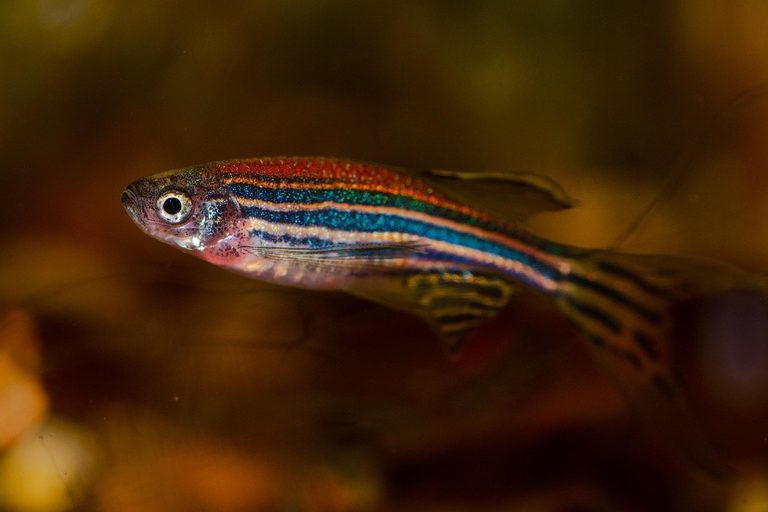
Zebra danios are cheap, hardy, fast, and love a strong current. Group size, temperature, tankmates, the long-fin and GloFish varieties, and how to keep them from nipping fins or jumping out.