Tennessee Aquarium releases 500 lake sturgeon into the Tennessee River
About 500 juvenile lake sturgeon went into the Tennessee River at Coolidge Park. Here's how the restoration works and whether it's succeeding.
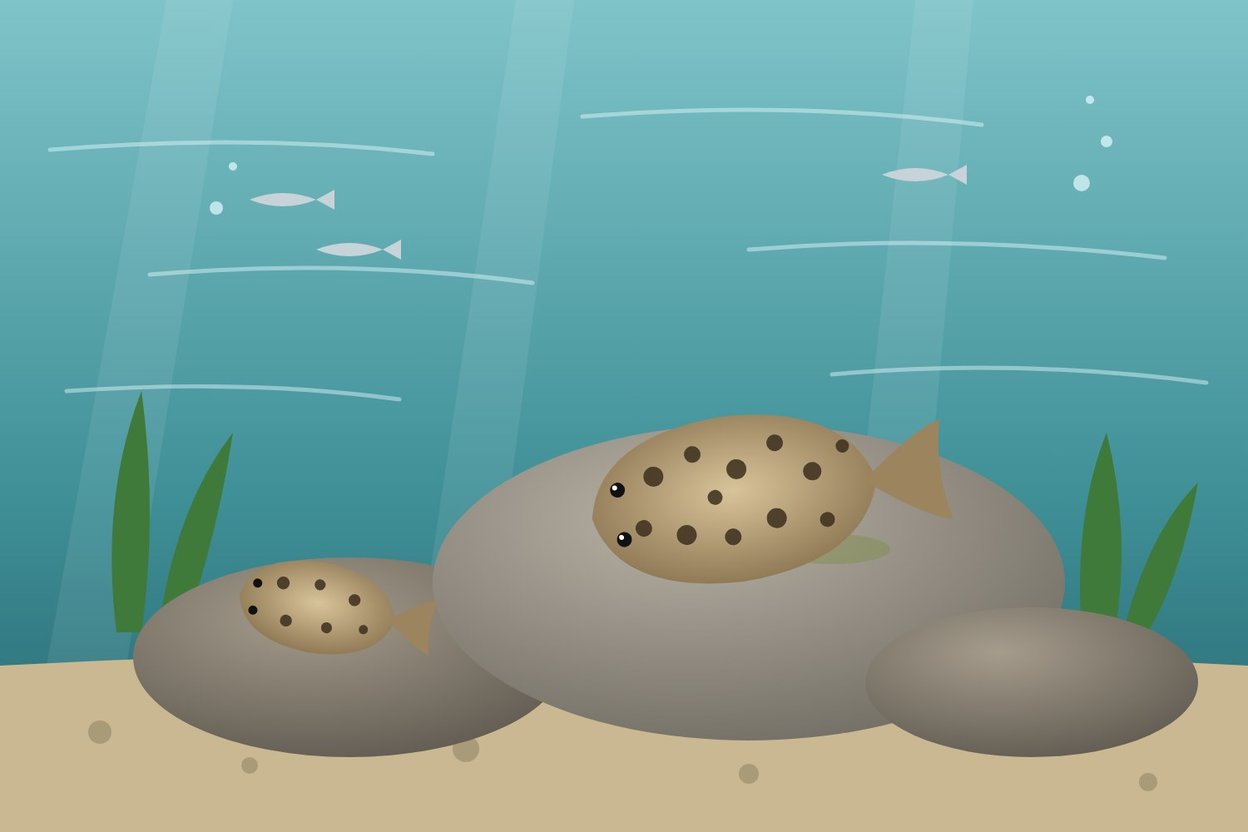
Hillstream loaches are built for fast, cool, oxygen-rich water, which makes them perfect river tank fish. Temperature, flow, tank size, food and tank mates.
Jack·4 min read·October 1, 2026
If there's one fish that was made for a river tank, it's the hillstream loach. These flat, spotted little fish look like tiny stingrays stuck to the rocks, and they live in fast, shallow mountain streams in Asia where the water never stops moving. Give them that kind of water and they're hardy, busy and fun to watch. Keep them in a calm community tank and they struggle.
The name covers several related species sold in the hobby. The two you'll see most often:
Both are built the same way: a flat belly and fins that work like a suction cup so they can grip rocks in strong current.
Hillstream loaches like it cool. Aim for about 65–75°F (18–24°C). They tolerate a few degrees either side, but warm water holds less oxygen, and above about 77°F they get stressed. That makes them a poor match for tropical fish that want 80°F. In many homes they need little or no heater at all.
This is the part people get wrong. Hillstream loaches need strong flow and lots of oxygen. A common guideline is total flow of about 8 to 10 times the tank's volume per hour, plus surface agitation. In still or gently moving water, they can slowly suffocate.
Good ways to get there:
A 20-gallon long can work for a small group of the smaller Sewellia, but 30 gallons or more is better, especially for butterfly types or a mixed tank. Length and bottom area matter more than height.
Set it up like a stream bed:
In the wild, hillstream loaches graze biofilm and algae off rocks all day. In a new, spotless tank, they can go hungry. Add them to an established tank with some algae on the rocks, and supplement with:
Watch their bellies. A sunken belly means they aren't getting enough.
They're peaceful and stay on the bottom and glass. Good company: other cool, fast-water fish such as White Cloud Mountain minnows, danios, some rasboras, and peaceful shrimp. Avoid big, aggressive fish and anything that needs warm, still water. They do best in a group of three or more of their own kind; they'll squabble a little, but it's mostly harmless.
Cool water, fast flow, lots of oxygen and rocks covered in biofilm: get those four right and hillstream loaches are one of the most rewarding fish for a river tank. They're the reason a lot of hobbyists build one in the first place.
About 500 juvenile lake sturgeon went into the Tennessee River at Coolidge Park. Here's how the restoration works and whether it's succeeding.
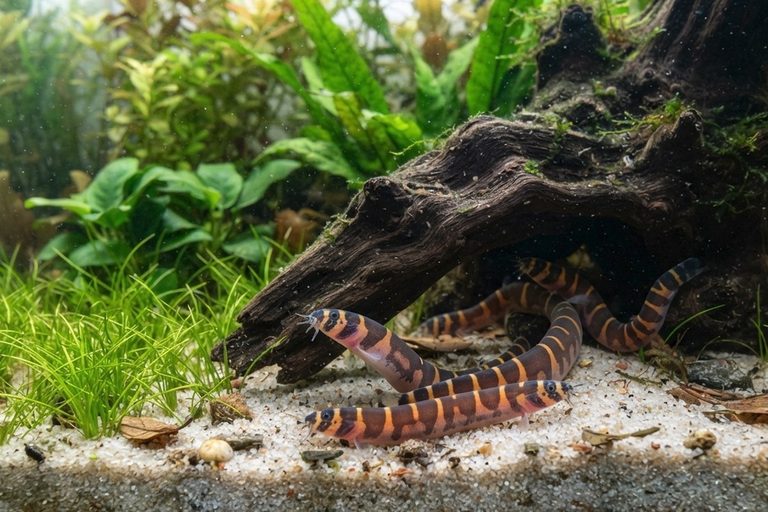
Kuhli loaches can live in a river tank if you give them a calm zone, soft sand, a group of six, 74–79°F water and plenty of places to hide.
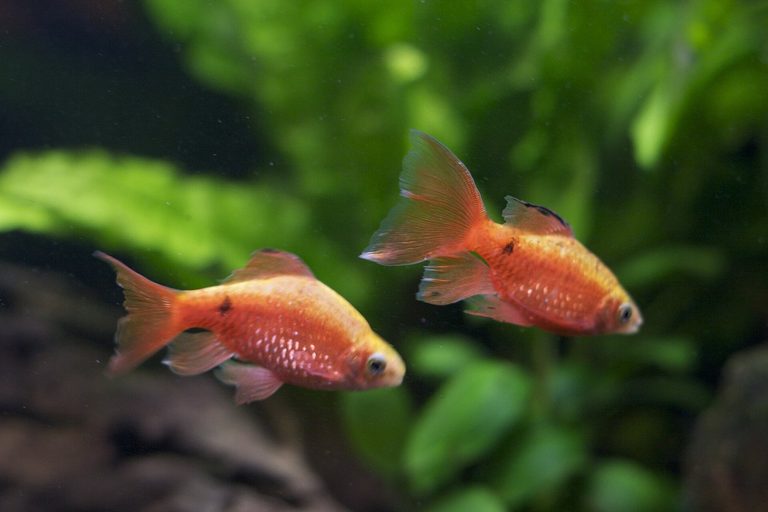
Rosy barb care for unheated river tanks: temperature range, tank size, group size, tank mates, feeding and the fin-nipping problem.