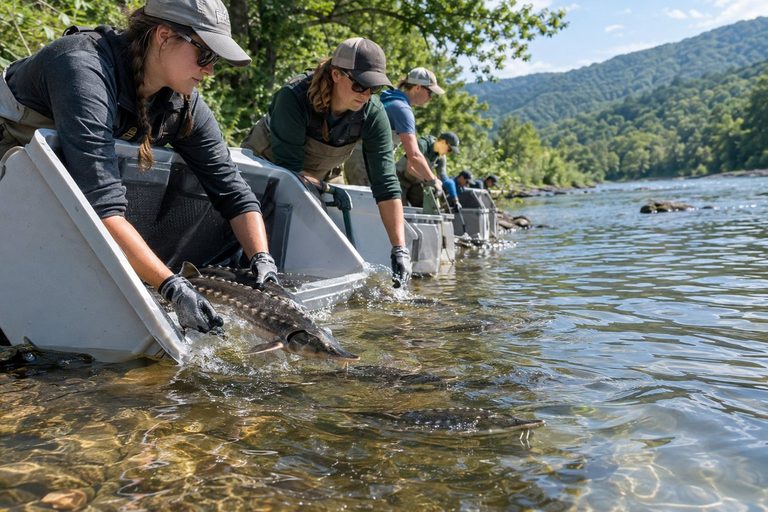
Tennessee Aquarium releases 500 lake sturgeon into the Tennessee River
About 500 juvenile lake sturgeon went into the Tennessee River at Coolidge Park. Here's how the restoration works and whether it's succeeding.
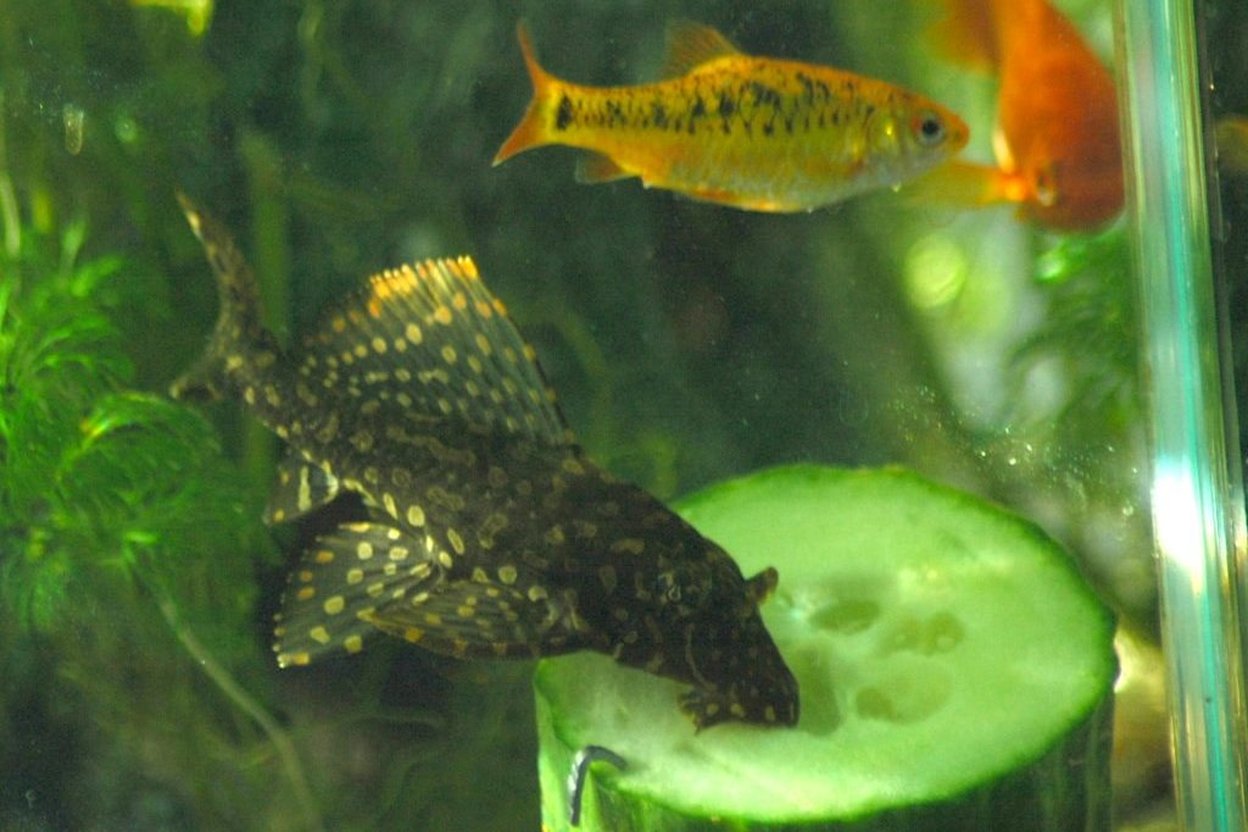
Plain pumpkin and sweet potato suit plant-eating fish like plecos. Skip turkey and anything seasoned, and learn how to prep scraps safely.
Jack·7 min read·October 31, 2026
You've cleared the table, the fridge is packed with foil-covered dishes, and your fish are at the front glass acting like they've never been fed. Can they have some? A few plain pieces, yes. Plain pumpkin and sweet potato make a fine treat for fish that eat plants. Most experienced keepers skip the turkey. And anything buttered, salted, sugared or sauced should never go in the tank. Here's how to choose the scraps, prepare them, and feed them without fouling your water.
Before anything else: fish keepers don't all agree on this, and there's little formal research on feeding holiday food to aquarium fish. Most of what keepers know comes from experience shared in magazines and forums. So treat what follows as careful, common hobby practice, not lab-tested rules.
Vegetables don't replace a proper fish food. They're a side dish. Your fish's regular pellets, flakes or frozen foods remain the base of the diet, and the leftovers are a small extra on top.
That leaves two good candidates and one to think twice about. Start with the good ones.
Take your pieces before anything gets added to the dish: before the butter goes on the mash, before the pie spice, before the marshmallows. If the only sweet potato left is the candied casserole, your fish don't get any. Plain, unseasoned and unsweetened is the rule.
Sweet potato. Practical Fishkeeping lists sweet potato with carrots as vegetables to blanch first so they soften enough for fish to eat. Cut a thin slice or a small chunk, drop it into boiling water briefly, then cool it in plain water before it goes in the tank. At least one cichlid keeper reports that raw sweet potato works too. The fish just take longer to eat it, and it stays fresh in the tank for a few days.
Pumpkin. Keepers disagree most here, so pick the method that suits your fish:
If your Halloween pumpkin is still around in late November, use a fresh piece instead. A carved jack-o'-lantern that has sat outside for weeks isn't something I'd put in a tank.
Who eats it. Plecos and bristlenoses are the obvious takers. Many cichlids will work at vegetables too, and in that same pumpkin thread, discus were seen picking at the loose bits. Fish that eat mostly meat may ignore it. Whatever they ignore has to come out (more on that below).
Weigh it down. Floating slices are a common problem. Practical Fishkeeping suggests pushing a small teaspoon through the slice or using lead plant weights so the piece sits on the bottom, where your bottom-feeders can reach it.
Turkey is where people hesitate. It's protein, fish eat protein, so why not?
The usual argument comes from a Practical Fishkeeping piece by Dr. Peter Burgess that keepers often quote on forums. As quoted, it says beef heart and other red meats can eventually cause health problems in cichlids, and that "poultry meat is also suspect." The reasoning is that meat from warm-blooded animals has a different amino acid balance from what fish need. Fish then give off more ammonia, and your filter has to work harder. The same quoted passage says fats from red meat harden inside fish and can cause blockages and fat deposits near the liver. That part is about red meat, not turkey in particular.
To be straight about it: this is secondhand magazine advice passed around forums, not a controlled study. Nobody has shown that a bite of plain turkey harms a fish. What experienced keepers point out is that fish may seem fine in the short term, and the long-term effects are the real concern.
You can't serve fish just the plain meat from a holiday bird anyway. Skin, gravy, stuffing, brine and herb rubs are all out without question.
The only real disagreement is over big predators. One cichlid keeper feeds shredded leftover chicken to South American cichlids and says they like it. Others call it a poor food. Keepers also note that large predators like arowanas only occasionally catch birds in the wild. If you keep something that size, a rare, tiny, plain piece is the most anyone argues for. For a community tank, skip it.
This list comes from common sense, not a published study. I'm not aware of anyone testing marshmallow on tetras, and nobody needs to. Keep all of these out:
Even a small amount of fat or sugar in a closed tank can cloud the water and feed bacteria you don't want. If you can't get a piece of plain vegetable from it, the fish don't get any.
When I ran my 55-gallon long as a river tank, water was pumped up on the left, carried across, and spilled down through three pools. A setup like that only looks like a clean stream if the water stays clean, and food is the fastest way to ruin it. A holiday treat should be small, and the regular diet stays the base.
A few rules keep a treat from becoming a water problem:
So when you're cutting up the sweet potatoes this November, set aside one plain slice before the butter goes on. Your plecos will get their holiday treat, and your water will stay clean.
About 500 juvenile lake sturgeon went into the Tennessee River at Coolidge Park. Here's how the restoration works and whether it's succeeding.
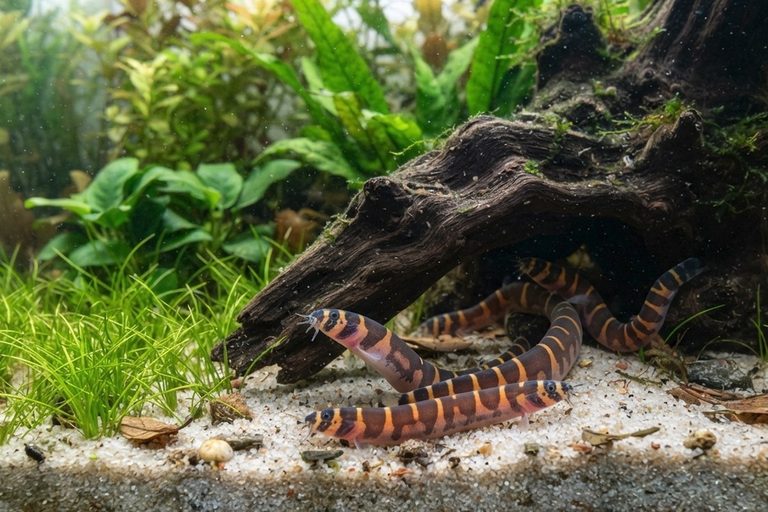
Kuhli loaches can live in a river tank if you give them a calm zone, soft sand, a group of six, 74–79°F water and plenty of places to hide.
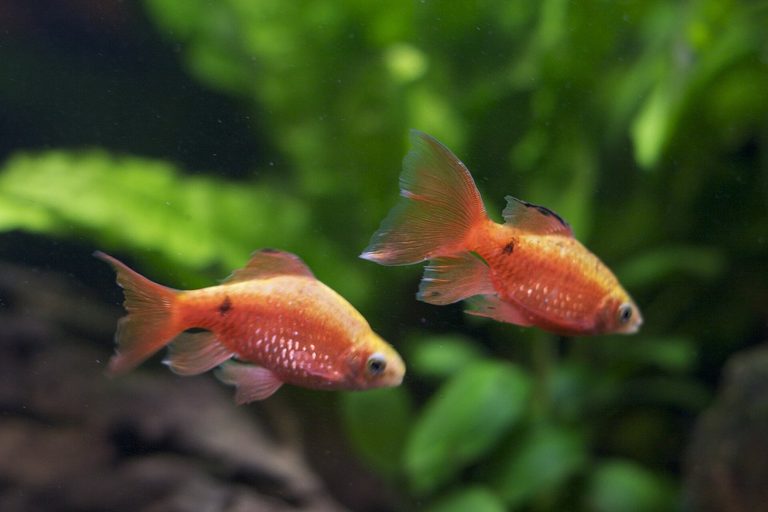
Rosy barb care for unheated river tanks: temperature range, tank size, group size, tank mates, feeding and the fin-nipping problem.