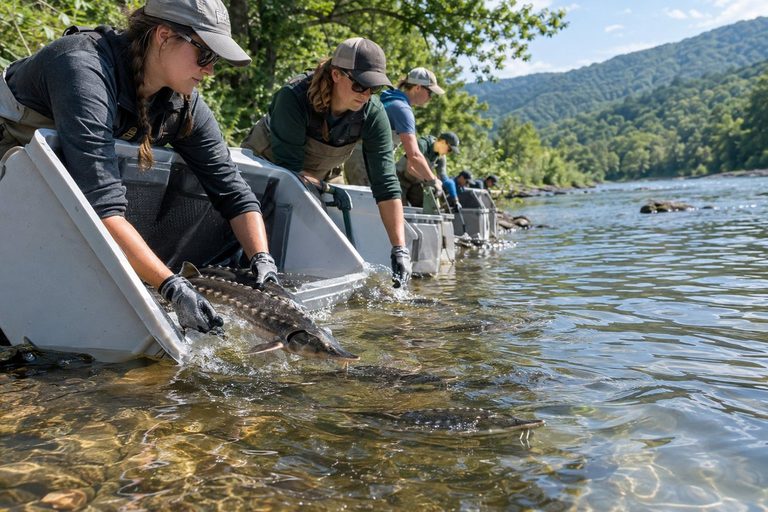
Tennessee Aquarium releases 500 lake sturgeon into the Tennessee River
About 500 juvenile lake sturgeon went into the Tennessee River at Coolidge Park. Here's how the restoration works and whether it's succeeding.
Some of the most colorful aquarium fish swim in American creeks. Five natives that do well in a river tank, and the rules you need to know before you net one.
Jack·3 min read·October 4, 2026
People pay good money for colorful fish from the other side of the world while some of the brightest fish anywhere live in the creek down the road. Native North American fish are made for river tanks: most come from cool, moving, clear water. They also come with rules.
Most of these do best without a heater in a room-temperature tank. See cold-water river tanks.
Collecting your own fish can be legal, but you have to check first. Rules are set by each state:
Call or check the website of your state's Department of Natural Resources or fish and wildlife agency before you go out.
Once a fish has lived in your tank, it can carry diseases and parasites from your other fish. Don't put it back in the creek, and never release store-bought fish anywhere. Give it to another hobbyist or a store instead.
The North American Native Fishes Association (NANFA) is a hobbyist group that organizes legal collecting trips and trades captive-bred natives. It's the best place to learn what's legal where you live, and to find fish without collecting them yourself.
NANFA: North American Native Fishes Association · Aqueon: Collecting and Keeping Native Fish · U.S. Fish and Wildlife Service: Lacey Act
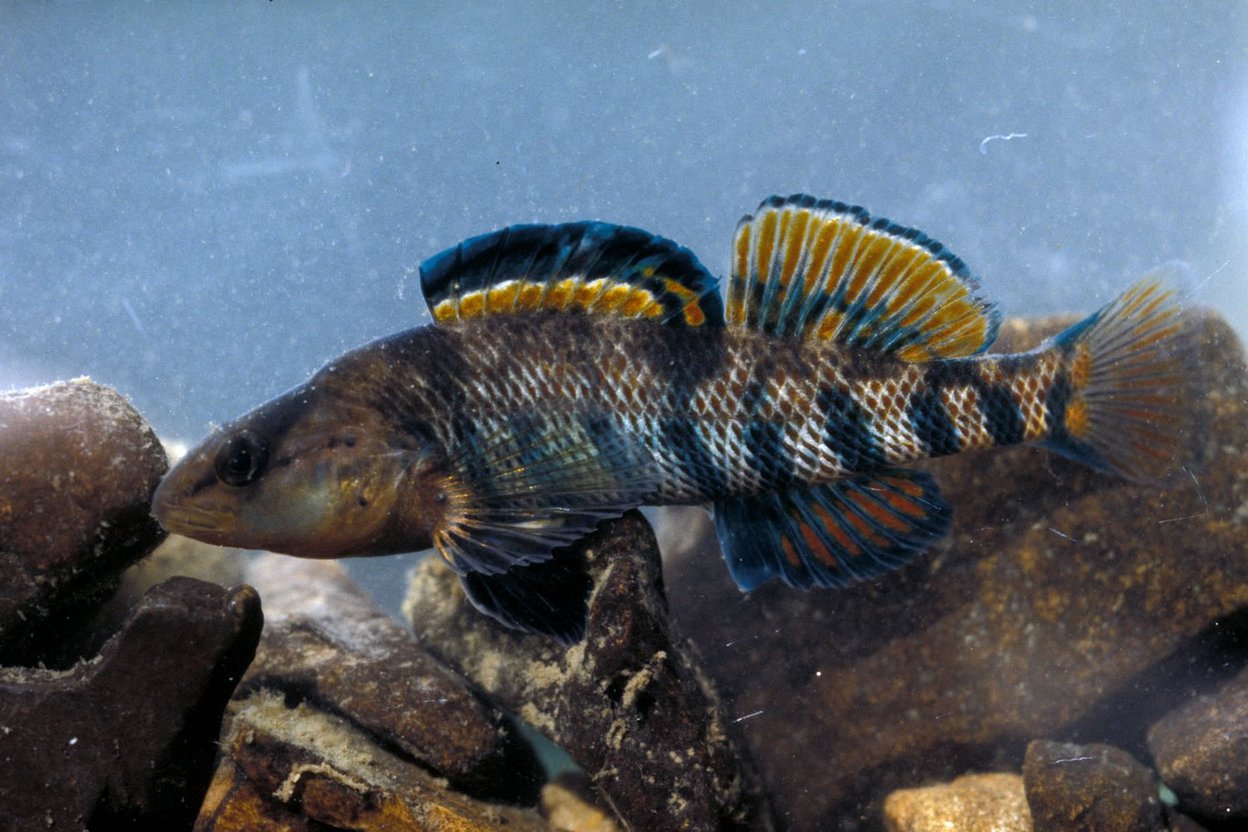
Photo: Etheostoma caeruleum by Dick Biggins, USFWS, Public domain.
About 500 juvenile lake sturgeon went into the Tennessee River at Coolidge Park. Here's how the restoration works and whether it's succeeding.
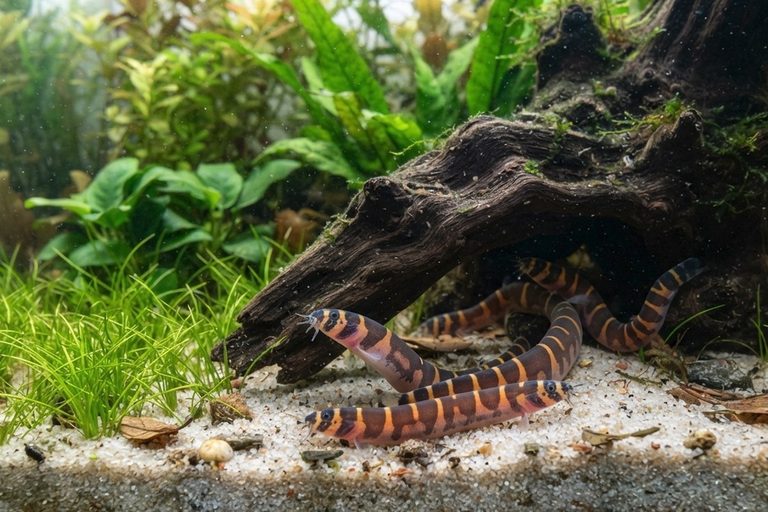
Kuhli loaches can live in a river tank if you give them a calm zone, soft sand, a group of six, 74–79°F water and plenty of places to hide.
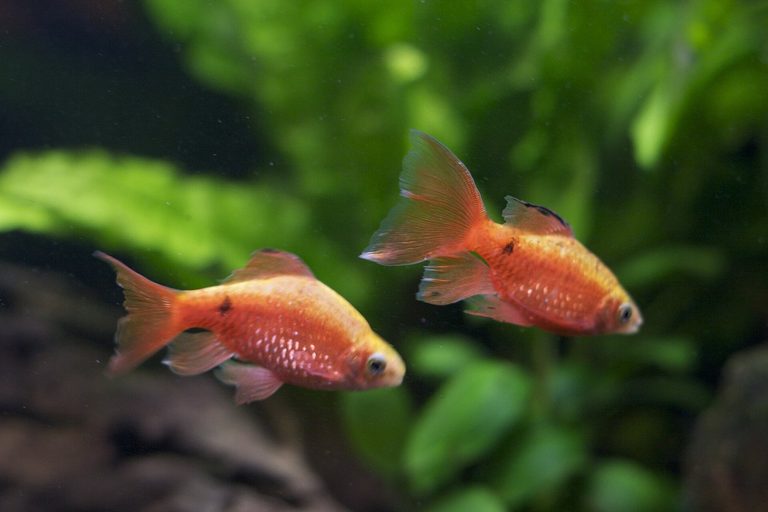
Rosy barb care for unheated river tanks: temperature range, tank size, group size, tank mates, feeding and the fin-nipping problem.