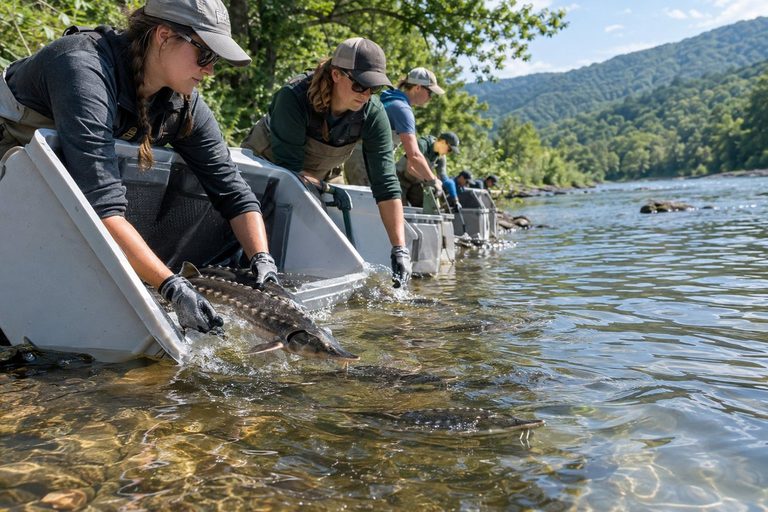
Tennessee Aquarium releases 500 lake sturgeon into the Tennessee River
About 500 juvenile lake sturgeon went into the Tennessee River at Coolidge Park. Here's how the restoration works and whether it's succeeding.
You wake up and the gravel has been rearranged, plants are floating and there's a pit in the corner. Here's why fish dig, which ones do it, and when it means something's wrong.
Jack·3 min read·October 4, 2026
You go to bed with a neat aquarium and wake up to a crater in the gravel, a plant floating at the top and a pile of pebbles against the glass. Somebody's been digging. Most of the time it's normal fish behavior, but it's worth knowing why.
Lots of fish sift the bottom for food:
This is healthy. If they're doing it constantly, it may mean they're hungry, or food is getting lost in the gravel. Use sinking food and see whether they settle down.
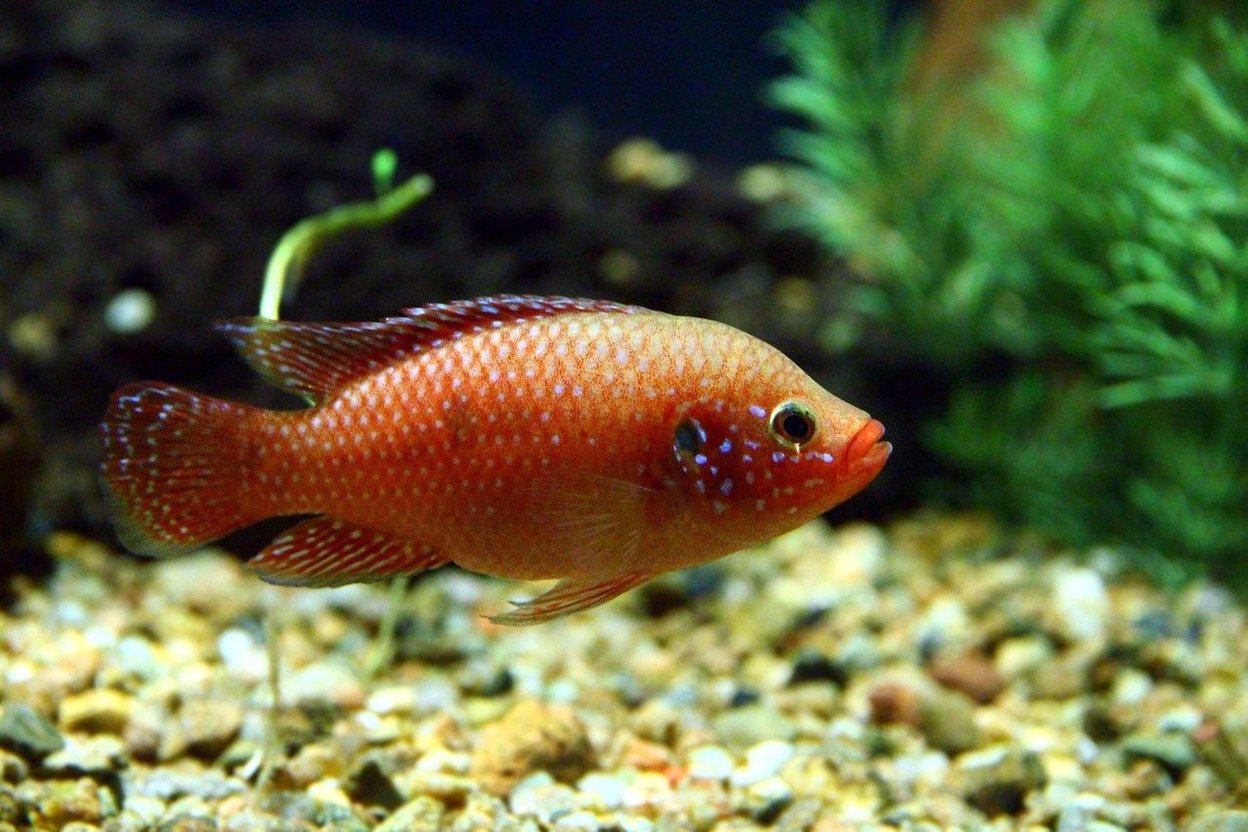
Many cichlids dig pits to spawn in. Convict cichlids, kribensis, firemouths and many others move a surprising amount of gravel before laying eggs. Signs it's a nest:
If you see eggs, the other fish in the tank may get chased hard. Have a plan for separating them.
Some fish dig to rearrange their space or mark out an area, especially cichlids. Breaking up the sight lines with rocks and plants can calm it down.
If you keep a crayfish, it's almost always the culprit. They dig burrows, move rocks and uproot plants. See can crayfish live with fish.
Most digging is a sign of a healthy, busy fish. Give it a place to do it.
Smart Aquarium Guide: Why Do Corydoras Keep Digging? · Go Fish Aquariums: Cichlid Digging Behaviour
Photo by zoosnow on Pixabay.
About 500 juvenile lake sturgeon went into the Tennessee River at Coolidge Park. Here's how the restoration works and whether it's succeeding.
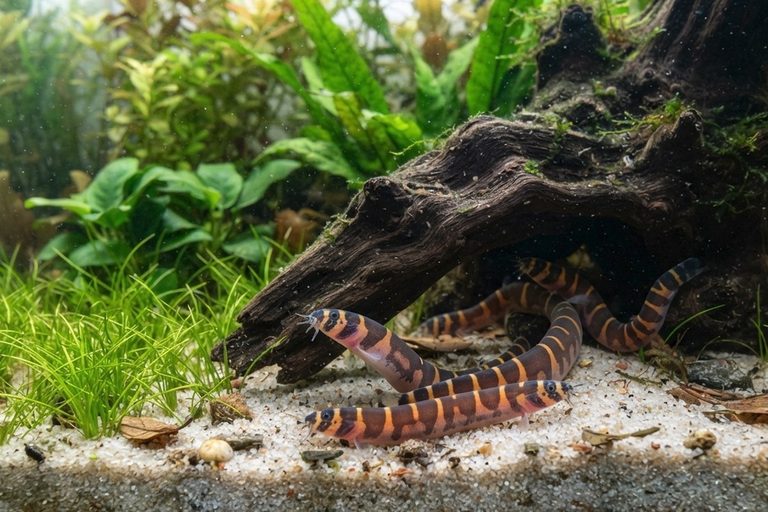
Kuhli loaches can live in a river tank if you give them a calm zone, soft sand, a group of six, 74–79°F water and plenty of places to hide.
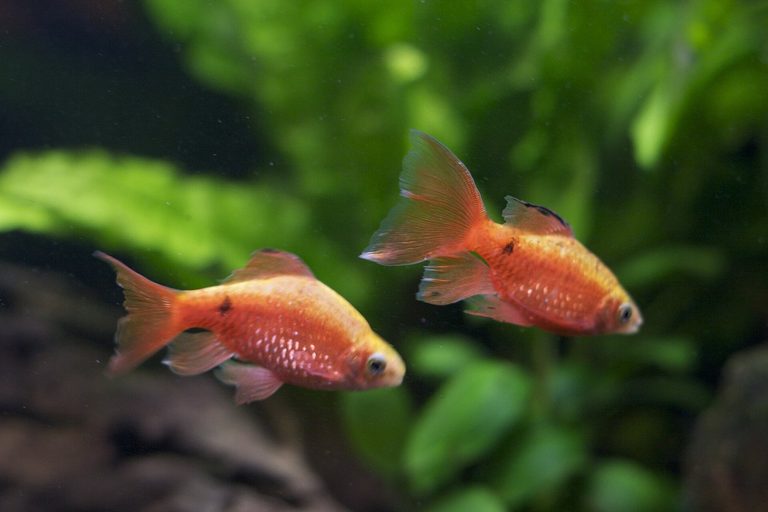
Rosy barb care for unheated river tanks: temperature range, tank size, group size, tank mates, feeding and the fin-nipping problem.