Thanksgiving trip: feeder, lights, and who checks the tank
Going away for Thanksgiving? Learn when fish can skip feeding, how to set a light timer, and what to tell a tank sitter before you leave.
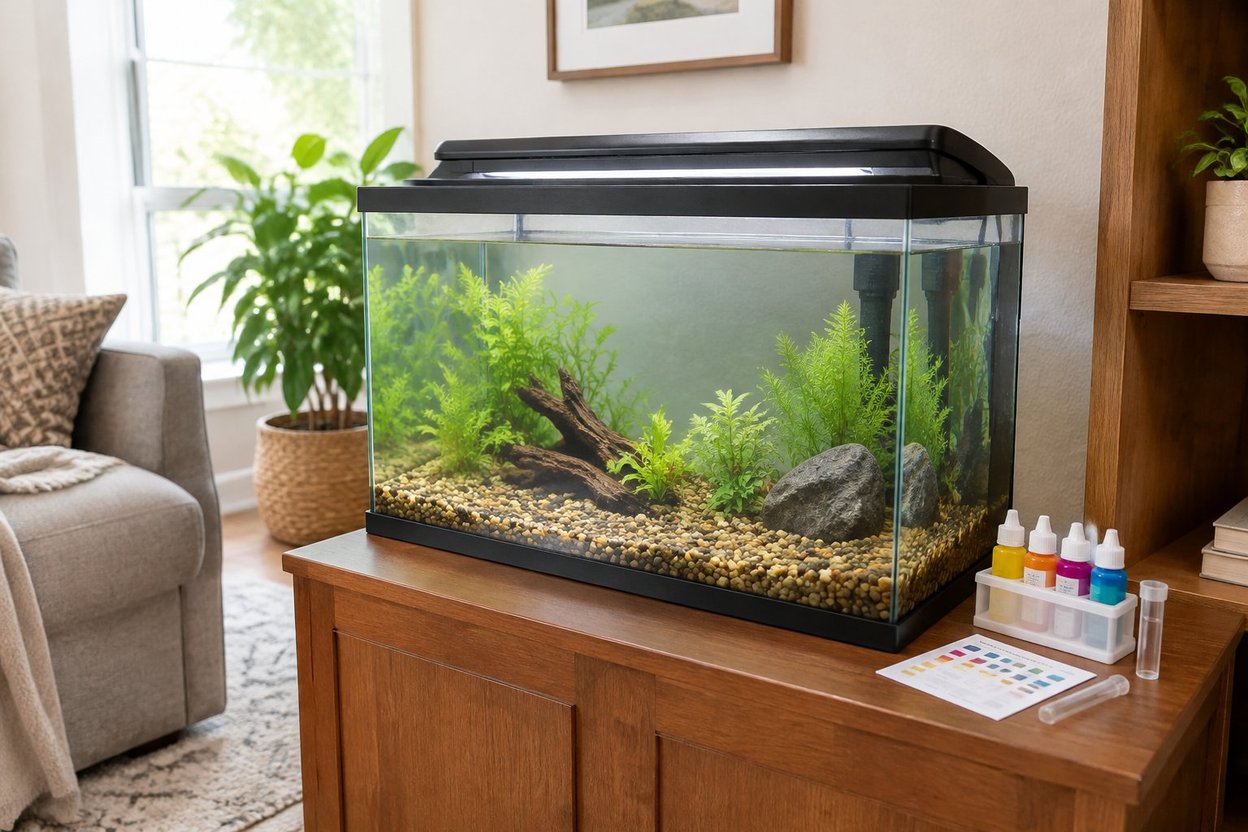
A fish tank makes a good first-timer gift if you plan the cycle. Get the timeline, the must-have kit, and what to put in the box.
Jack·7 min read·November 19, 2026
You're making the holiday list, and you keep picturing their face when they find a glowing tank full of fish on Christmas morning. It can be a great gift. The catch is that the fish can't be in it on Christmas morning. A new tank has to "cycle" for weeks before it's safe for fish. So give the tank as a project, with a plan and the right tools, and add the fish later. That way the gift doesn't end with a few dead fish in a bag by New Year's.
I've kept fish tanks since I was a kid, and I'm all for getting someone new into the hobby. It's a big hobby. About 10 million US households keep freshwater fish, according to the American Pet Products Association's 2025 Fish & Reptile Report. Many of those people started with one tank someone else got them excited about.
A tank only makes a good gift if the person actually wants it. An aquarium needs work every week, and it can't go in a closet like a sweater they don't like. If you're not sure they want one, sort that out first (more on this below).
If they do want one, change what you picture the gift to be. It isn't a tank full of fish. It's the tank, the gear, a clear plan, and a fish-store trip a few weeks later. The fish aren't missing from the gift. They're the second part of it.
Fish waste, leftover food and rotting plant matter all break down into ammonia, which is toxic to fish. In a mature tank, one group of bacteria turns that ammonia into nitrite, which is also toxic. A second group turns the nitrite into nitrate, which is mostly harmless unless it builds up. Those bacteria live in the filter and on surfaces in the tank. A tank that was just filled from the tap has almost none of them.
Building up those bacteria is called cycling. Aqueon says it "typically takes three to eight weeks." The UK hobby site fishkeeping.co.uk says about four to six. Either way, you're looking at weeks, not days. The tank is cycled when your tests show nitrate while ammonia and nitrite both read zero.
If fish go in before that, you get what hobbyists call new tank syndrome: ammonia or nitrite poisoning because the tank doesn't have the bacteria yet. The signs are:
The safe readings are simple. Ammonia should be 0 ppm, and any reading above zero is unsafe. Nitrite should be 0 ppm. Nitrate should be under about 15 ppm.
Count back from Christmas. fishkeeping.co.uk's rule is that if you haven't started a fishless cycle by the start of November, the tank won't be ready for fish by Christmas. Today is October 16, which leaves about ten weeks. That's enough if you start soon, ideally before Halloween.
You can only cycle the tank ahead of time if it can be set up where it will live, for example in a home you share. Then the plan looks like this:
If it's too late for that, or the tank is going to someone else's house, do what fishkeeping.co.uk suggests: give it as an unfinished project. In its words, "part of the fun is in doing it for yourself." They set it up on Christmas Day and add fish in mid-to-late January.
Bottled bacteria products can shorten the wait, but results are mixed. Treat them as a possible help, and keep testing anyway. There's also a "fish-in" cycle, where you start with a few hardy fish and test and change water every few days. Aqueon covers it, but it's hard on a beginner and harder on the fish. Rushing the cycle risks what fishkeeping.co.uk calls "ill or, worse, dead fish."
A kit is the easy way to start because the filter, heater and light already match the tank. As an example, PetSmart lists the Top Fin Captivate 20-gallon starter kit at $119.99 (marked down from $149.99) as of October 16, 2026. It comes with the tank, a hood, an LED light, a thermometer, a 100-watt heater, a water test vial and a filter. Other 20-gallon kits were listed at about $85 to $120 that day, and prices change often.
Size: I'd go with 20 gallons, not a tiny "starter" tank. fishkeeping.co.uk warns that small starter kits last only "a matter of months" before the fish outgrow them. A bigger tank also gives a beginner more room for mistakes.

Test kit: A kit's test vial isn't enough for cycling. Add a liquid kit that tests ammonia, nitrite and nitrate. The API Freshwater Master Test Kit is the one hobbyists recommend most.
Filter: If you buy parts separately, choose a filter that moves about 5 to 7 times the tank's volume per hour. Never scrub the filter media or clean it with bleach, because the bacteria live there.
Weight and a stand: Water weighs about 8.34 pounds per gallon. A 20-gallon tank holds about 167 pounds of water and weighs about 215 to 250 pounds set up. Don't put that on a dresser or bookshelf. Budget for a proper aquarium stand on a solid floor.
Before you buy anything, be honest about two questions fishkeeping.co.uk asks. Has this person ever shown interest in fish? Will they want to spend time on the tank every week?
Once the tank is cycled, the routine is a partial water change every week (Aqueon suggests about 10%), regular tests, and feeding. It isn't hard, but it doesn't stop. Someone who's thrilled will enjoy it. Someone who was only polite about it will be stuck with a chore.
Let them help choose. fishkeeping.co.uk suggests letting the recipient pick the setup and the fish, and I agree. Picking the fish is half the fun, and someone who chose their own fish takes better care of them.
Add one tip to the card: plan for adult size, because store fish are young. Goldfish can live over 15 years and need large tanks. Also, buy fish by their Latin name, because common names vary from store to store.
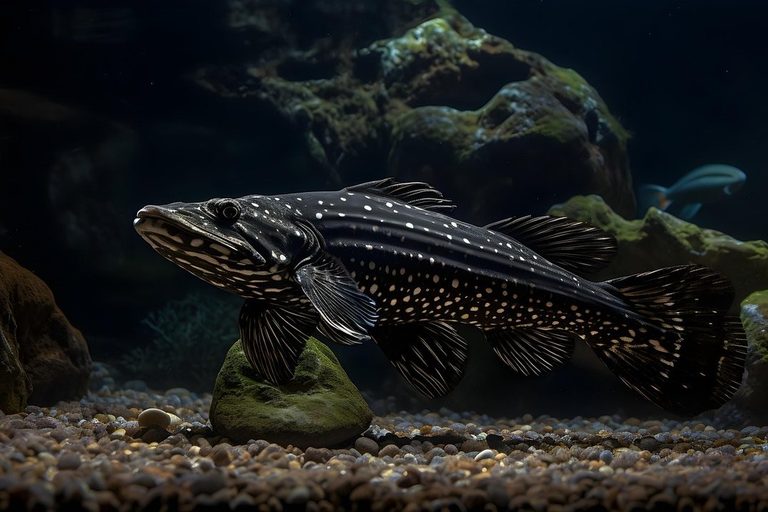
Going away for Thanksgiving? Learn when fish can skip feeding, how to set a light timer, and what to tell a tank sitter before you leave.
Healthy adult fish can usually go four days without food. Learn which tanks need a plan, why overfeeding is riskier, and what to check before you leave.
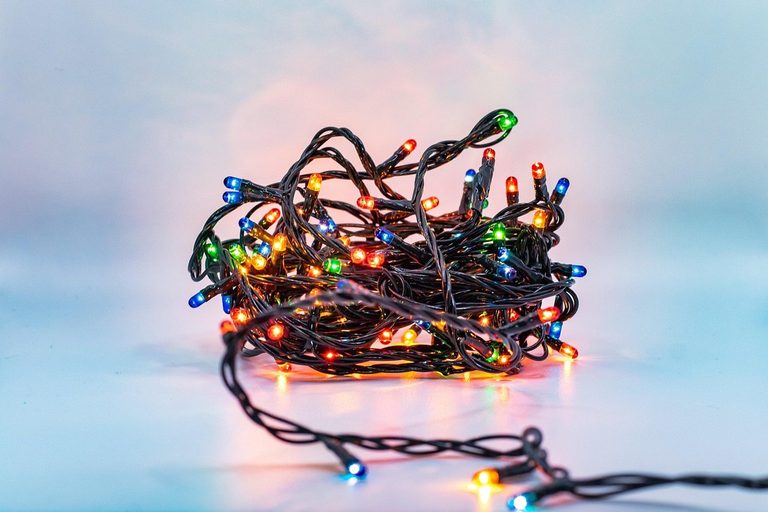
Yes, holiday lights can go outside an aquarium. Learn the electrical safety rules, heat limits, and timer setup that keep fish safe.