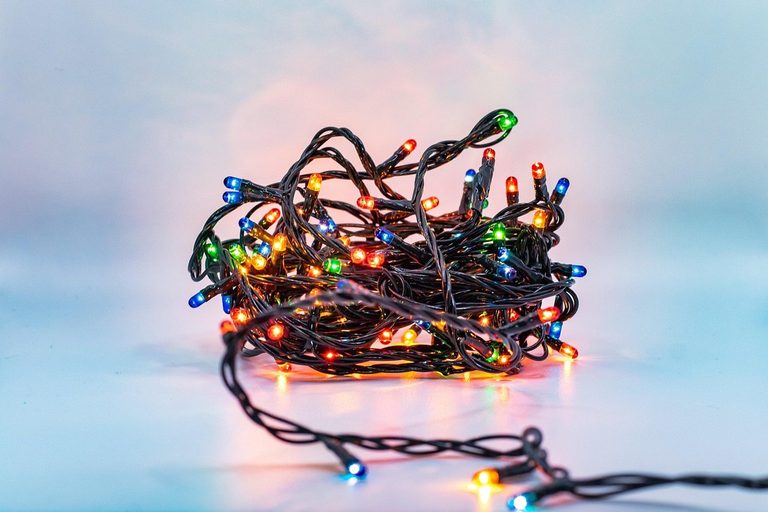
Can You Hang Christmas Lights on or Around an Aquarium?
Yes, holiday lights can go outside an aquarium. Learn the electrical safety rules, heat limits, and timer setup that keep fish safe.
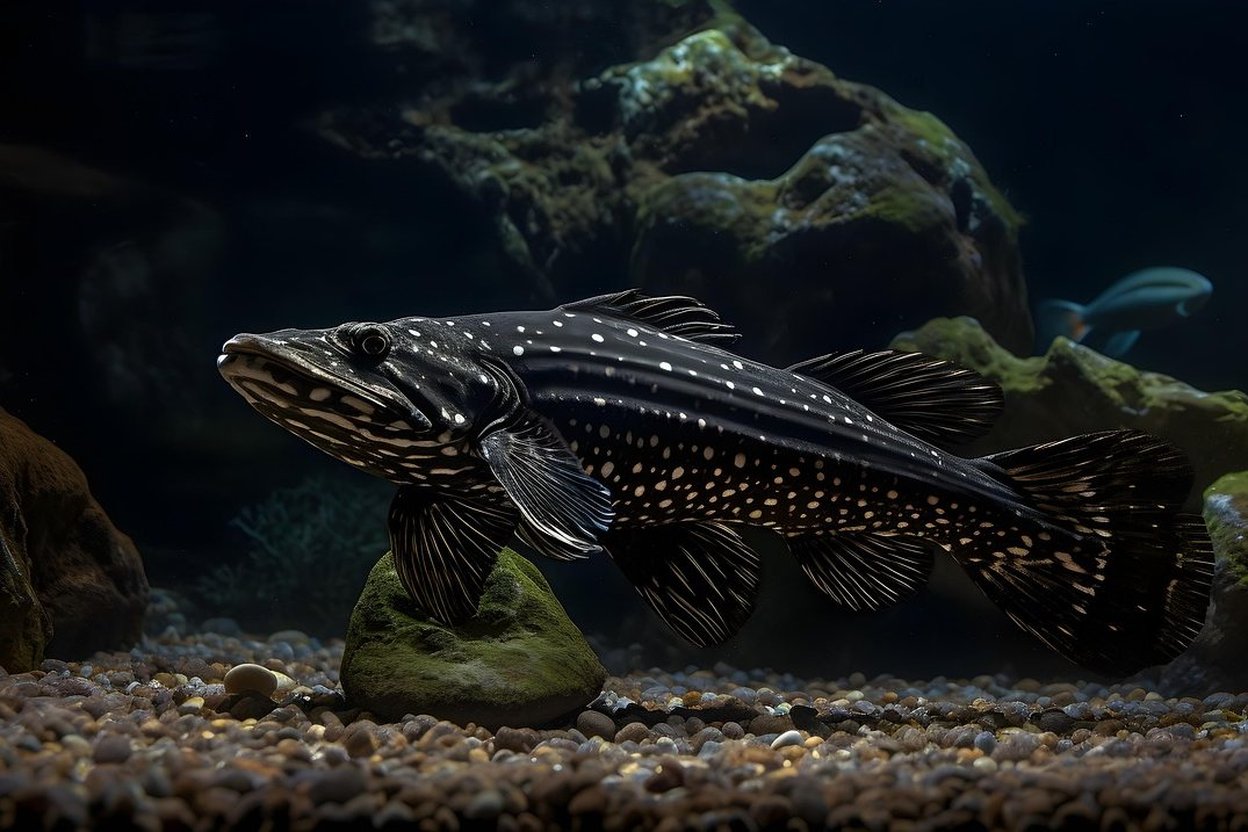
Healthy adult fish can usually go four days without food. Learn which tanks need a plan, why overfeeding is riskier, and what to check before you leave.
Jack·8 min read·November 12, 2026
You're packing the car for Thanksgiving, and the fish are watching you through the glass the way they do at every feeding. You'll be back in four days. Will they be okay? Yes. Healthy, settled adult fish can go four days without food. In most tanks, the bigger risk is too much food, from a last-minute "feast," a dissolving block or a well-meaning sitter. Below I cover why a short fast is safe, which tanks are the exceptions, and what to do before you leave.
A four-day gap won't starve a healthy adult fish that has settled into its tank. Fish are cold-blooded and don't burn energy the way we do. Gregory Lewbart, a professor of aquatic, wildlife and zoologic medicine at NC State's College of Veterinary Medicine, says most fish can survive days or even weeks without food. He said it about power outages, but the biology is the same when you go away on a trip.
Fasting research points the same way. In a controlled study, juvenile leopard mandarin fish went 5, 10 or 14 days without food. None died in any group over the eight-week trial. Once feeding resumed, they caught up to the fish that had been fed all along. The same paper explains one way fish manage this: during a fast they shrink their gut tissue, which lowers how much energy they need. These were farmed juveniles of an Asian food fish, not stream fish in a home tank, so treat the study as supporting evidence. But four days is well short of anything those fish went through.
The extreme case is two goldfish in a Christchurch, New Zealand office tank. They survived 134 days with no food and no power after the 2011 earthquake, probably by grazing algae. Don't use that as a care guide. It does show how much reserve a fish has.
So hunger isn't the real danger over a long weekend. Overfeeding is.
That reassurance has limits. It covers healthy adults that eat well. Some tanks need a plan:
Then there are the residents that aren't fish. In my old River Tank, fish shared the water with little crabs, small turtles and fire-bellied frogs, and chameleons lived in the same setup. These animals have very different needs, and there's no single safe rule for leaving them unfed. Check the needs of your own species before you go. Look up each one separately, and if you're unsure, have someone check on them or feed them.
Most people get this wrong. It feels kind to give the fish a big meal before you go, but it isn't. Fish eat what they want in a few minutes, and the rest sinks into the gravel, the stones and the corners of your pools, where it rots.
A good rule of thumb is to give as much as your fish can eat in 3 to 5 minutes, once a day. On the last day, feed that normal amount and stop there.

The reason is water chemistry. Food has to be eaten and digested quickly, or it pollutes the tank with ammonia. NC State's vets note that uneaten food adds excess nitrogen and degrades water quality. In a tank you check every day, you'd catch a cloudy patch or a smell. Over a four-day trip, nobody's there to catch it. A pile of food that the fish would never have finished can push ammonia up while the fish themselves are fine without it.
One more reason to keep the last meal normal: if the power goes out while you're away, Lewbart advises not feeding fish at all, because digestion uses oxygen. Without power, your pump and filter stop moving water, and oxygen is already short. Fish that aren't full of food handle that better.
Pet store shelves fill up with "vacation" products in the fall. Here's what they are.
Vacation blocks (the smaller versions are often sold as "weekend blocks") go into the tank and release food as they dissolve. They're aimed at smaller tropical fish. The catch is the one above: a dissolving block keeps adding to the water whether the fish eat it or not, and it can pollute a tank that's left alone too long.
Tetra's gel-based TetraVacation works differently. The company says it is plaster-free, doesn't dissolve, and releases food only when fish nibble it. Tetra says it feeds tropical fish for up to 14 days without ruining water quality. Those are the manufacturer's claims, so weigh them that way.
Automatic feeders are hoppers that drop a set amount of food on a timer. People use them on vacation, and they can work. They also have known weak spots. Moisture can get into the hopper, which makes the food clump and can jam the mechanism. That's worth thinking about over a tank with a waterfall that keeps the air above it humid. Fish also learn when the feeder goes off, which can cause feeding frenzies and wasted food. If you want one, run it for a week or two while you're home. Watch how much it actually drops and whether it clumps.
My plain advice for four days: for healthy adult fish, feeding nothing is usually safer than a gadget you've never tested. Save feeders and blocks for longer trips, and try them out at home first.
Here's what to do before you head out on Thanksgiving week:
Do these, and the fish will be fine while you're at Thanksgiving dinner.
Photo by geraldrose on Pixabay.
Yes, holiday lights can go outside an aquarium. Learn the electrical safety rules, heat limits, and timer setup that keep fish safe.
Find out whether your pond fish can stay outside or need to come indoors in November, and how to set up a cold tank and move them safely.
Will party music stress your fish? Here's what the research shows, what actually causes party-day losses, and a five-minute checklist to prevent them.