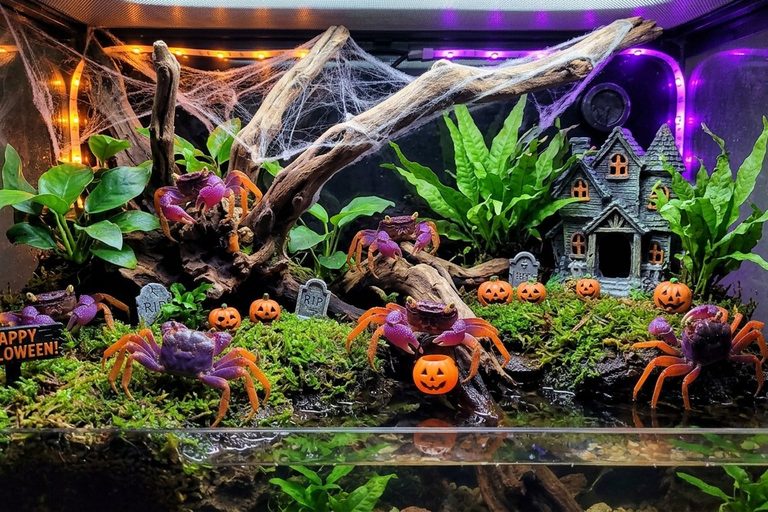
Can a crab get stuck in a pumpkin-house ornament?
Can a crab get trapped in a pumpkin-house ornament? See which openings are risky, how to pick or seal a safe piece, and how to free a stuck crab.
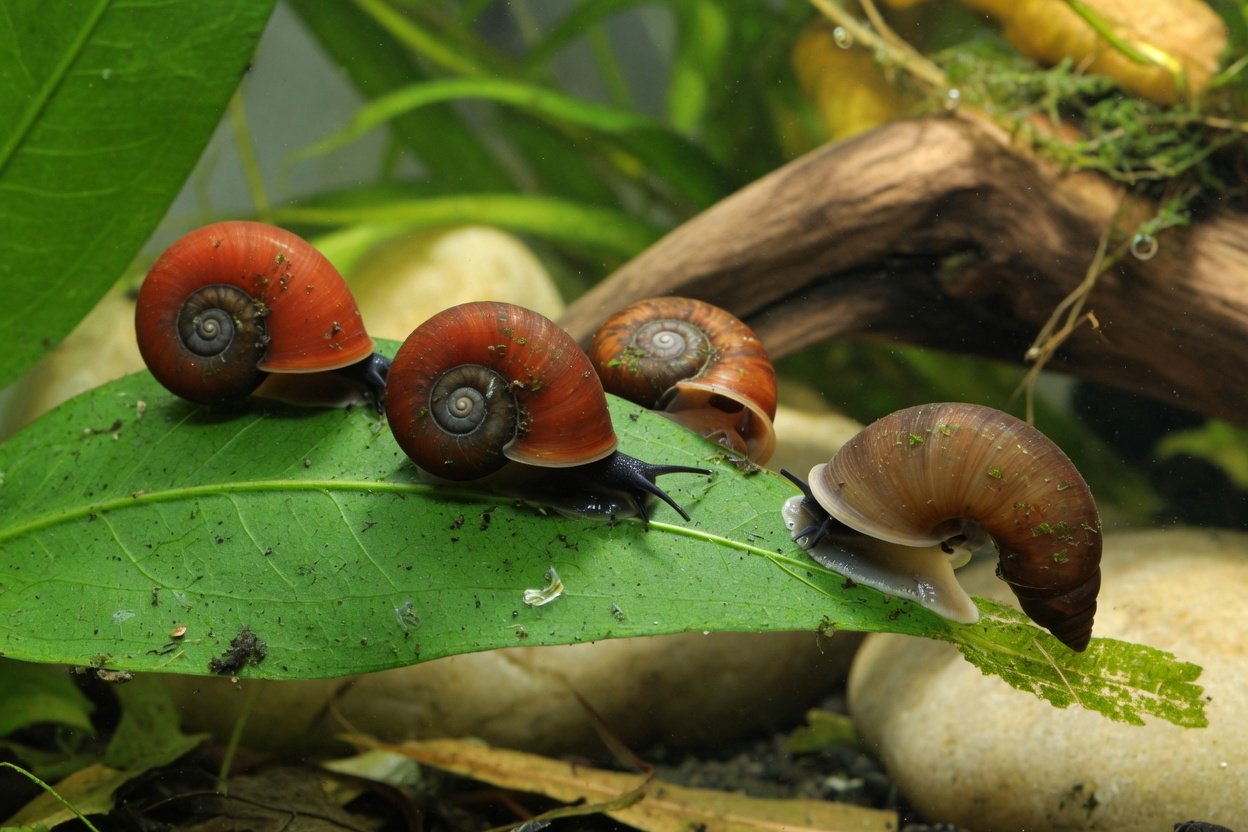
Ramshorn snails show up uninvited on new plants, then multiply. Why that's usually a sign of overfeeding, what they actually do for your tank, and how to keep the population in check without chemicals.
Jack·3 min read·October 5, 2026
Almost every fishkeeper has a ramshorn snail story. You buy a bunch of plants, and a few weeks later there are tiny flat-coiled snails on every leaf and pane of glass. Are they a problem? Usually not. Usually they're a messenger.
Ramshorn snails are small freshwater snails from the family Planorbidae, named for their flat, coiled shells that look like a ram's horn. Most stay under an inch. They come in brown, red, pink, blue and spotted "leopard" forms. They hitchhike into tanks as eggs on new plants.
Snails only multiply as fast as the food supply allows. A ramshorn population explosion almost always means there's too much food in the tank: leftover flakes, uneaten wafers, or decaying plants. The snails aren't the cause of the mess; they're cleaning it up.
In small numbers, they're a useful part of the cleanup crew, and the colored varieties are pretty.
Avoid "snail killer" chemicals. Most contain copper, which also kills shrimp, harms other inverts, and lingers in the tank. A big snail die-off can also crash your water quality.
If you're getting rid of extra snails, never dump them into a pond, ditch or stream. Some aquarium snails become invasive. Freeze them before throwing them out, or give them to someone who keeps snail-eating fish.
If you don't want any, dip new plants or quarantine them in a bucket for a couple of weeks and pick off any snails or clear jelly egg clutches you see. Or buy tissue-culture plants, which come in sealed cups with no hitchhikers.
Ramshorns are not strong-current snails. In a river tank they gather in the calm areas and on the plants and the glass at the downstream end. If you want a snail that handles flow better, nerite snails are a good choice, and mystery snails are bigger and easier to keep in check.
Can a crab get trapped in a pumpkin-house ornament? See which openings are risky, how to pick or seal a safe piece, and how to free a stuck crab.
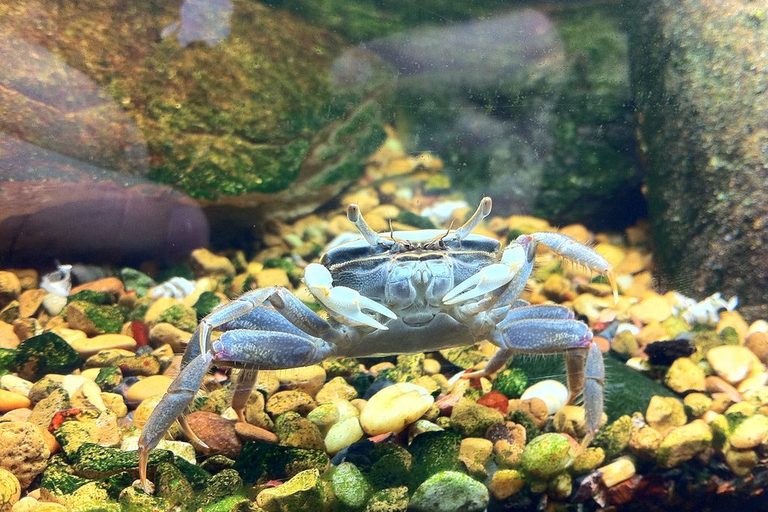
Vampire crabs make tempting Halloween impulse buys at $10, but they need a land-heavy paludarium to survive—not a traditional fish tank.
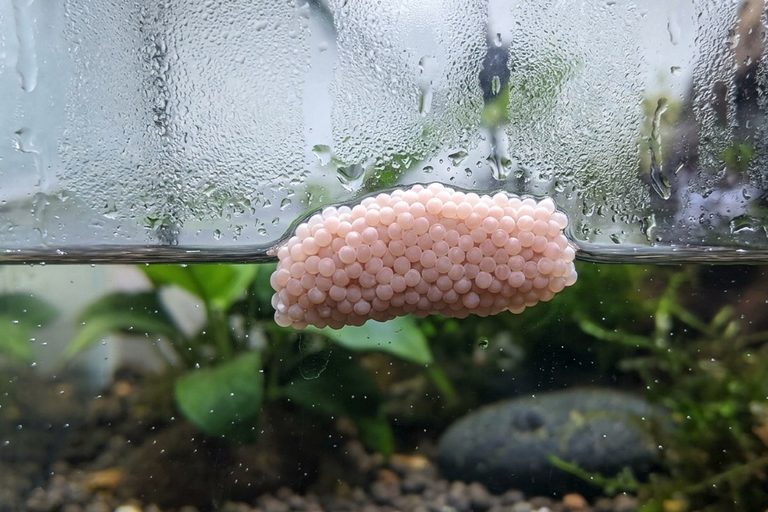
Tell snail eggs apart by species (nerite dots, mystery snail clutches, ramshorn and bladder jelly) and decide whether to scrape, keep, or hatch them.