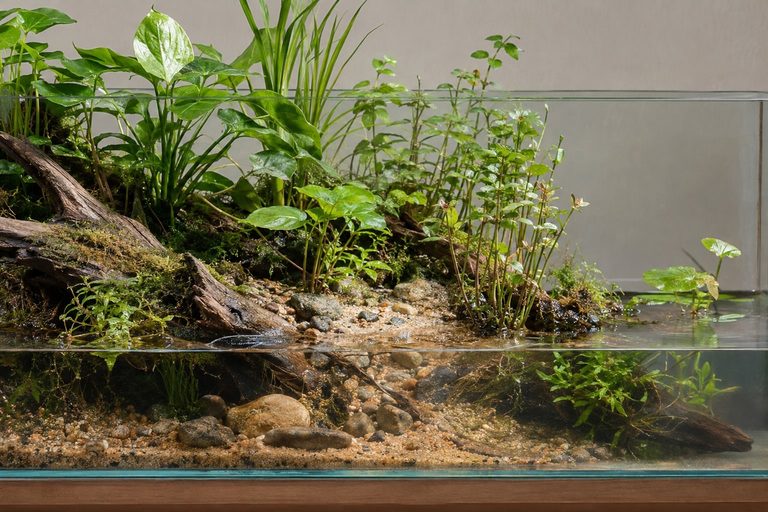
A riparium is a tank with a shoreline. What you actually need
Learn what a riparium is and what you need to build one: an open-top tank, planters, plants that tolerate wet roots, and light above the water.
Finding a dead fish is upsetting, and the first instinct is to start dumping in medicine. Here's a calm, step-by-step checklist to find out what happened and protect the rest of the tank.
Jack·3 min read·October 4, 2026
Finding a dead fish is a bad feeling, especially if it was fine yesterday. The urge is to grab a bottle of medicine and pour it in. Hold off. Most sudden deaths come down to water, and a few minutes of checking will usually tell you what happened and whether the others are at risk.
Take it out right away. A dead fish breaks down fast and spikes ammonia. If others might be sick, look it over first: white spots, fuzzy patches, red streaks, a swollen belly, torn fins.
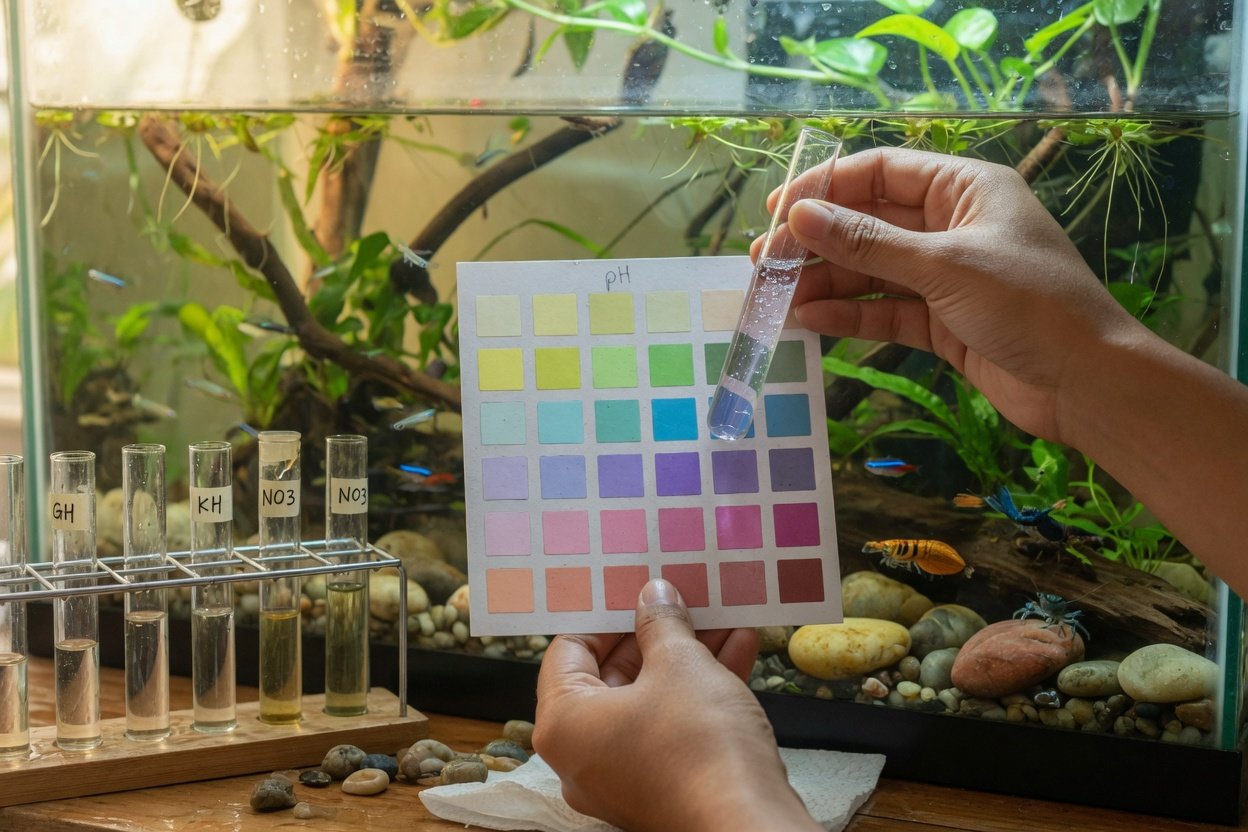
This is the most important step. Test:
If ammonia or nitrite is above zero, that's very likely your answer. Do a 25 to 50% water change with dechlorinated water at the same temperature. See reading your test kit.
Most deaths follow a change. In the last few days, did you:
Look closely at the rest of the fish for a day or two:
Treat only once you know what you're treating.
Fish don't live forever. Many small community fish live 2 to 5 years. If one old fish dies and the water tests fine and the others look healthy, it may simply have been its time.
Learn what a riparium is and what you need to build one: an open-top tank, planters, plants that tolerate wet roots, and light above the water.
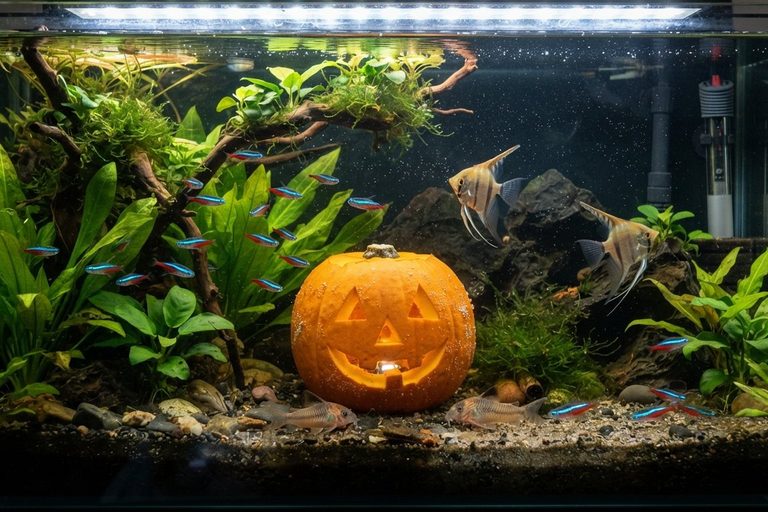
Learn which Halloween ornaments are safe in a fish tank, why craft-store decor is risky, and a simple screening test before adding one.
Discover why whole pumpkins damage aquarium water and how to safely offer small pieces as seasonal treats.